

18/10 stainless steel
A complete guide to 18/10 (SUS304 equivalent) stainless steel
Equivalent to SUS304 (18% Cr / approx. 10% Ni). An ideal choice for household kitchens, bathrooms, and toilets.
18/10 Stainless Steel — A material that keeps your everyday wet areas beautiful for a long time
――The more you use it, the more you'll notice the difference――
18/10 stainless steel resists rust and maintains its luster for a long time thanks to the protective film formed by chromium and the toughness provided by nickel.
Even around sinks and bathrooms, which are susceptible to water splashes, humidity, and detergents, and around toilets, where hygiene is strictly controlled,
it maintains the inherent strength and beauty of the material. Based on this material selection criterion, ZACK designs products that satisfy everyday use.
Let's first look at the characteristics of the material and how they are utilized in actual products.

The "protective film" that forms on the surface protects the material. It's a surprisingly simple mechanism.
What is Stainless Steel — and Why is it "Rust-Resistant"?
Stainless steel is an alloy made by combining iron with chromium and other elements. It prevents corrosion by naturally forming a thin oxide film (passive film) on its surface.
When sufficient chromium is present, this film stabilizes, providing excellent resistance to water, moisture, and common detergents. In Japan, SUS304 is a commonly used designation, but for household products, it is often more familiarly expressed as "18/10 (18% chromium / approximately 10% nickel)."
Next, let's look at "what 18/10 specifically means."

What the number 18/10 indicates
10/18 — Why chromium and nickel improve performance
"18/10" is a shorthand notation for the composition of an alloy. Generally, 18 refers to approximately 18% chromium (Cr), and 10 refers to approximately 10% nickel (Ni).
Chromium forms a thin oxide film (passivation) on the surface, preventing corrosion. Nickel, on the other hand, contributes to the material's toughness, workability, and gloss retention, resulting in a strong resistance to impact and deformation.
As a result, 18/10 is rust-resistant and maintains a beautiful luster when polished for a long time, making it suitable for household plumbing products. However, "18/10" is merely an approximate notation, and actual performance depends on the precise ratio of the alloy composition, surface treatment, heat treatment, and finishing method.
When choosing a product, be sure to check not only the notation but also the "product specifications (SUS standards, finish, inspection results)."

Why it's optimal for plumbing products
Resistant to moisture and splashes, easy to keep clean — 18/10 performance
18/10 stainless steel performs exceptionally well in environments constantly exposed to water, such as bathrooms, kitchens, and toilets. The chromium film suppresses corrosion, and nickel contributes to maintaining the material's toughness and surface luster, making it easier for products that are routinely wet, such as sinks, shower fixtures, and toilet brushes, to retain their beautiful appearance for a long time. However, performance depends not only on the alloy composition but also on the "surface finish" and "contacting chemicals."
Leaving chlorine bleach on for long periods or aggressively scrubbing with abrasives can cause spots or clouding, so making rinsing and wiping dry a habit after use is key to longevity. Differences in appearance and maintenance due to surface treatments are also important factors to consider during selection.

Passivation layer formed by chromium
The Role of Chromium: A Thin Shield Protecting Surfaces
Chromium forms an extremely thin oxide film (passivation) on the surface of stainless steel, which is primarily responsible for protecting the material from corrosion.
This film is too thin to be seen, but it has the property of self-healing in the presence of oxygen, quickly regenerating to protect the underlying iron even after scratches or temporary exposure.
However, the effectiveness of the film depends on the environment; in environments with high chloride ion concentrations or in confined spaces where oxygen is scarce, localized pitting corrosion is more likely to occur.
Therefore, it is important to consider the design, finish, and usage environment comprehensively, rather than simply relying on chromium content.

Properties conferred by nickel
The Role of Nickel — An Element Supporting Toughness and Luster
Nickel is a crucial element that gives stainless steel its "ductility" and workability. The presence of nickel stabilizes the austenitic structure of the metal, making it more resistant to cracking when bent or impacted, and easier to handle during forming and welding.
Furthermore, nickel helps maintain surface luster, and polished surfaces tend to retain their beauty for longer.
18/10 typically has a higher nickel content than 18/8, often giving it an advantage in terms of corrosion resistance, toughness, and lasting appearance.
However, nickel content alone does not determine everything; the overall alloy composition, surface treatment, and usage environment comprehensively influence performance.
If you are concerned about nickel sensitization (allergies), please also check the product's surface finish and usage conditions.

ZACK Case Study: Toilet Brush Specifications and Design
ZACK Toilet Brush — Design Specifications Utilizing 18/10 Stainless Steel
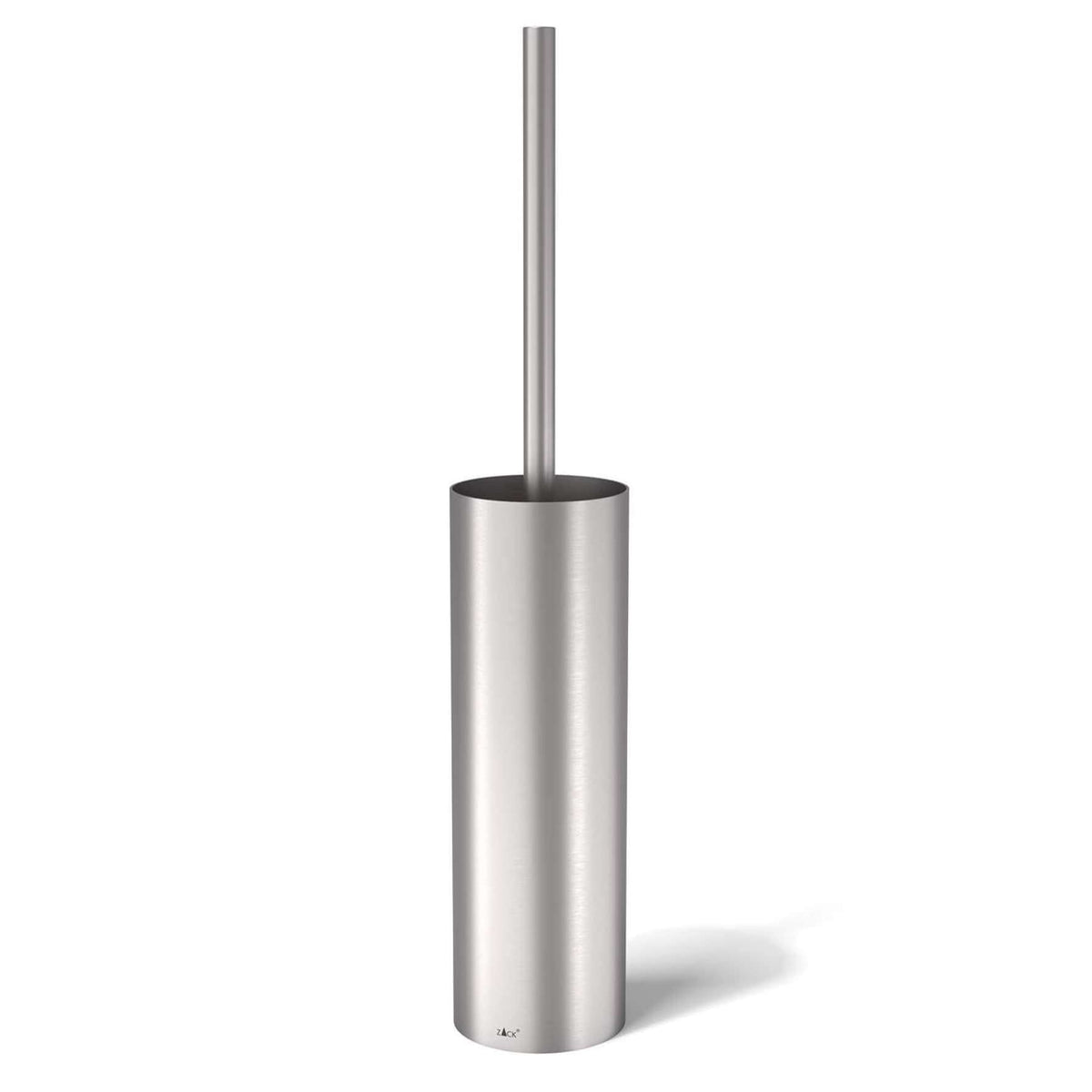
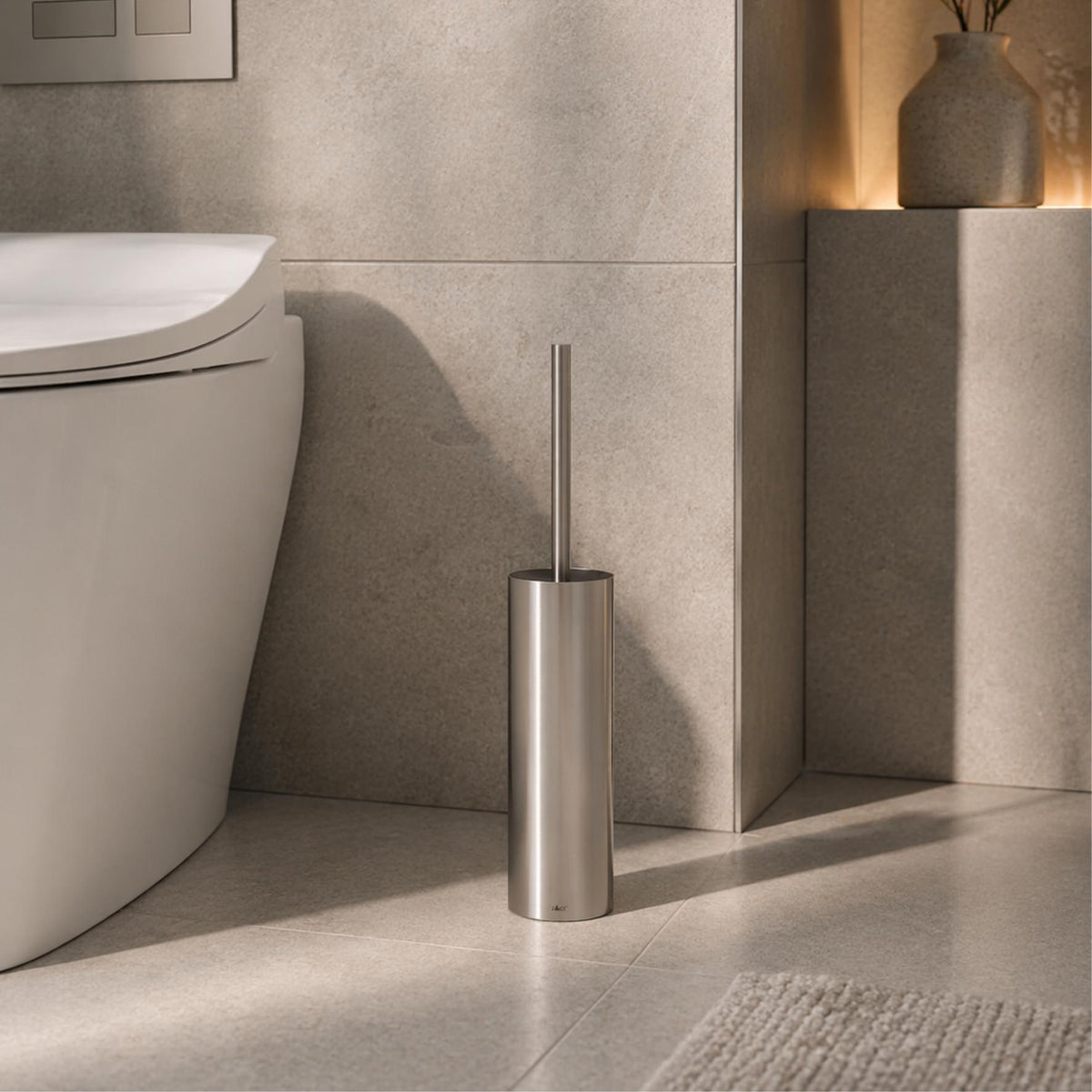
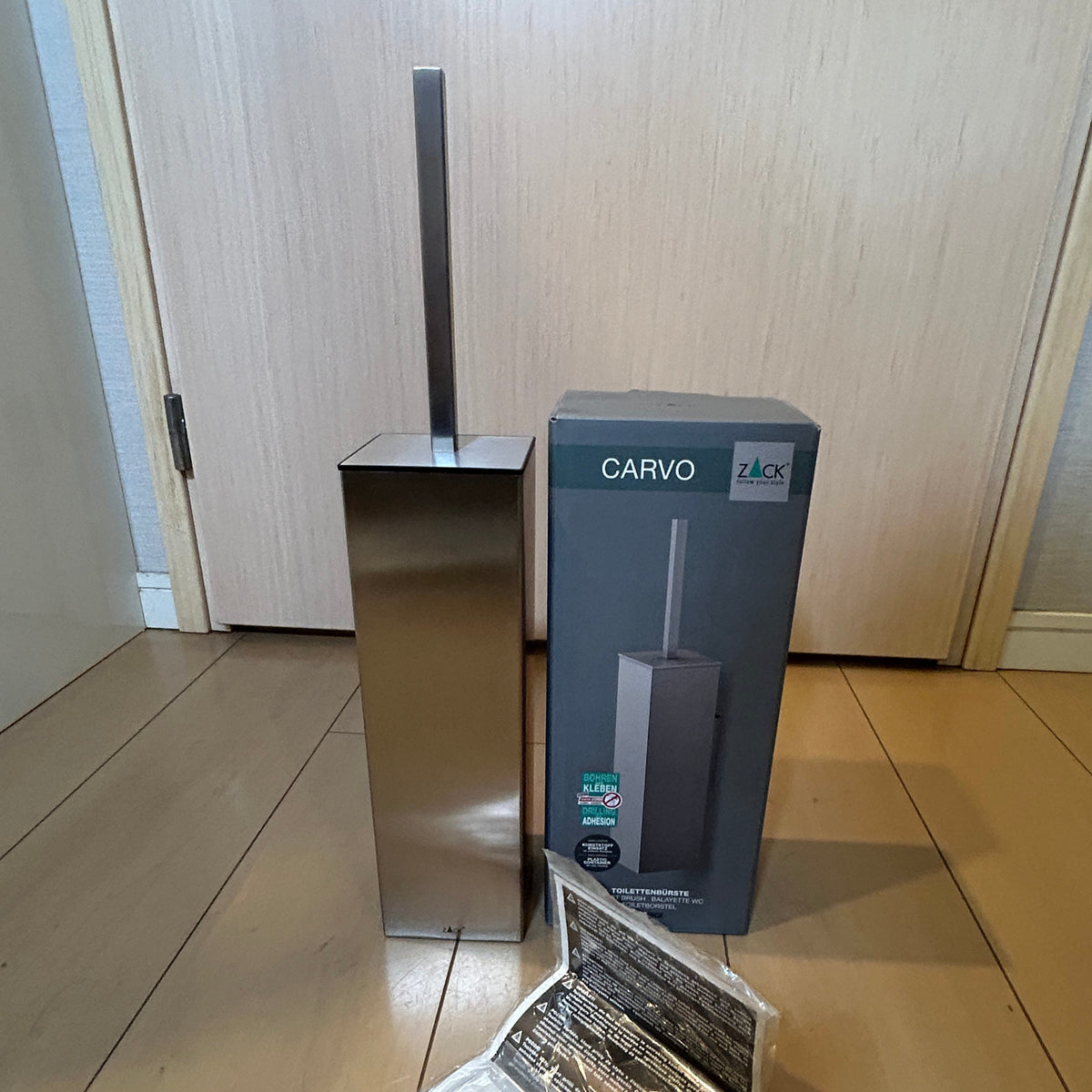
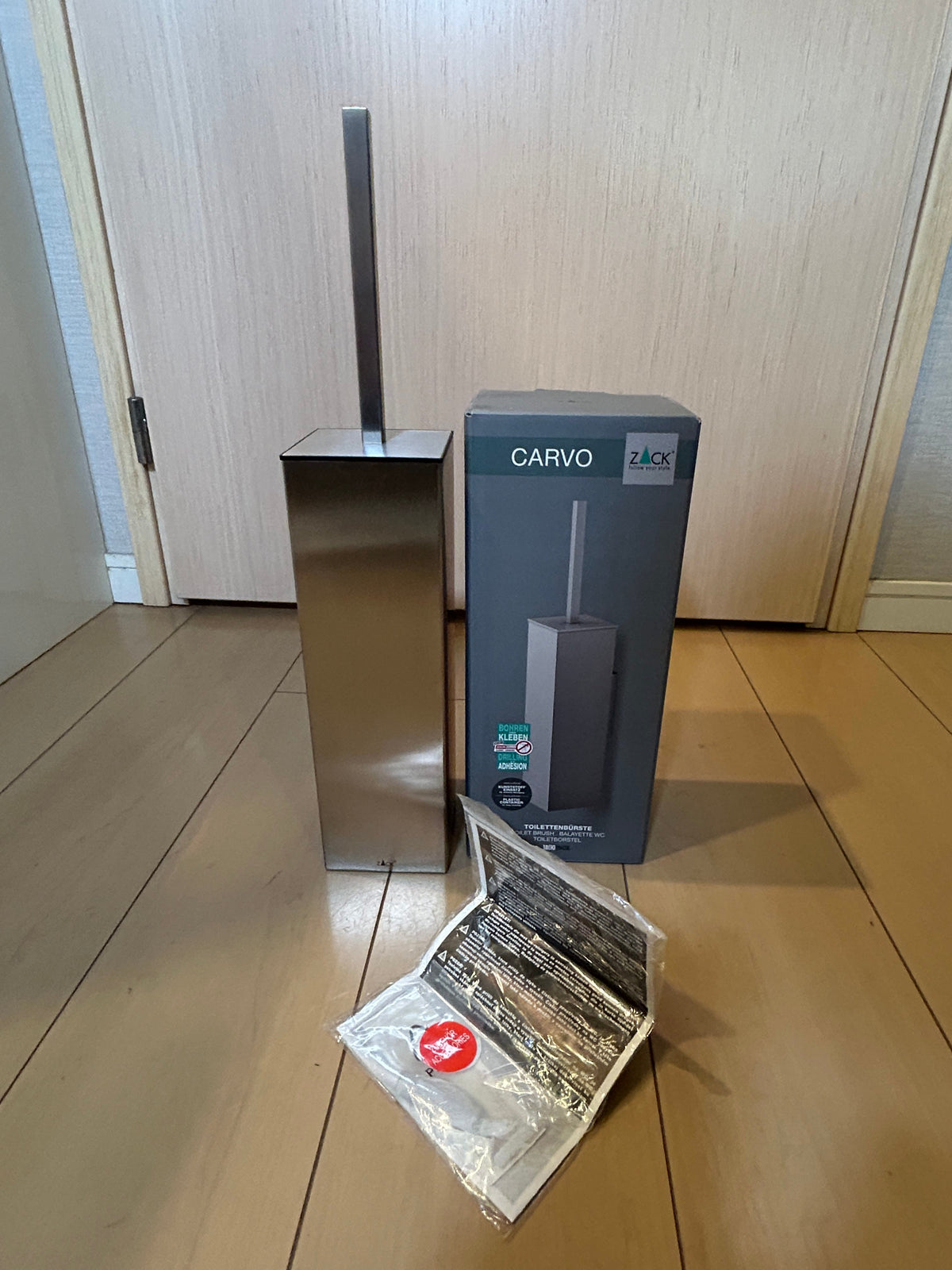
For example, ZACK toilet brushes use 18/10 stainless steel (equivalent to SUS304) for the main body structure, achieving both corrosion resistance and aesthetic appeal.
The metal parts have a mirror or hairline finish, making them easy to wipe clean even after splashing, and the design of the joints and grooves is optimized for quick drainage, enhancing hygiene.
The brush head is designed to be replaceable for long-term use, and the plastic and rubber contact parts are made of materials selected for their chemical resistance.
This reduces the burden of daily cleaning and the risks associated with using bleach, ensuring practicality while minimizing visual aging.
When selecting a product, always check not only the "label (18/10)" but also the finish and structure (joints and drainage design).

Care and Longevity Tips
Daily Care Checklist — Protect Your Materials in 3 Easy Steps
1. Rinse immediately with water after use and wipe dry with a soft cloth. Droplets left to dry often cause white spots.
2. A neutral detergent is usually sufficient. Do not leave strong chlorine bleach or abrasive cleaners on for extended periods (rinse thoroughly after use). Acidic/chlorine-based agents, in particular, can damage the protective film.
3. Frequency目安: Daily wiping + gentle cleaning once a week will maintain its appearance. More frequent maintenance is required in outdoor or salt-damaged environments.
By simply making these three points a habit, the corrosion resistance and luster of 18/10 stainless steel will last significantly longer.

Troubleshooting (Rust, Cloudiness, Spots)
Mild Corrosion: DIY Solutions and When to Call it Quits
Light brown spots (surface adhering oxides) can usually be removed with a soft sponge and a neutral detergent.
Whitish spots (white rust/cloudiness) are often caused by chloride ions or minerals in hard water, and can sometimes be improved by soaking briefly in citric acid (weak acid) and then rinsing thoroughly. However, do not scrub hard as this may scratch the surface.
If deep pitting or extensive corrosion is observed, consider replacing the product.
Whether repairs are possible depends on the part (whether it is a joint or integrally molded), so if you are unsure, it is best to consult support with photos.
Frequently Asked Questions (FAQ)
Q&A Regarding 10/18
受注
A1: In most cases, it is safe to assume they are equivalent. However, 18/10 refers to the approximate composition ratio, while SUS304 is a standard specification. Performance can vary depending on surface treatment and inspection.
A2: Temporary use is often fine, but avoid leaving it on for extended periods and rinse thoroughly after use. Frequent use can cause the coating to deteriorate.
A3: Primarily the difference in nickel content (18/10 has more nickel). 18/10 often has an advantage in terms of corrosion resistance and lasting shine.
A4: With proper care, it will last a long time. However, be aware that local corrosion can occur in environments with chloride ions or in confined spaces.
A5: Soaking the product briefly in a weak acid such as citric acid, followed by thorough rinsing, often resolves the issue. Please avoid strong abrasion.
A6: If you have a nickel skin sensitivity, be careful with products that have prolonged direct skin contact (e.g., accessories). Household appliances often have surface treatments that make symptoms less likely, but if you are concerned, please check the finishing information beforehand.
Write a clear and concise answer to guide your customers.
A8: Neutral detergent is generally recommended. Acidic and chlorine-based detergents should be used for a short time depending on the application, and we recommend rinsing immediately afterward.

References and Sources
Mild Corrosion: DIY Solutions and When to Call It Quits
JIS / SUS standards (e.g., composition and test criteria for SUS304) - Refer to various standard documents.
Textbooks on metallic materials and standard texts on materials engineering (basics of film/passivation theory).
Corrosion resistance test data from third-party testing organizations (pitting, results of corrosion resistance tests) - If internal test data that can be made public is available, including a summary here will increase credibility.
(Note) While general articles on the web can be used as references, always cite standards and test data for technical claims.

References
Now that you know about the materials, the next step is to actually pick them up and examine them.
The characteristics of 18/10 stainless steel are best utilized with correct design and daily maintenance.
ZACK's bathroom and kitchen products are designed with this in mind, from material selection to finishing. We offer a full range of products and a detailed care guide (PDF). If there's a product that interests you, please refer to "View Collections" or "Download Catalog."
In the kitchen, in the bathroom, anywhere.
Toilet Accessories > Toilet Brushes > Hairline Finish


国内在庫:1個


We have this product.
Toilet Accessories > Toilet Brushes > Matte Black


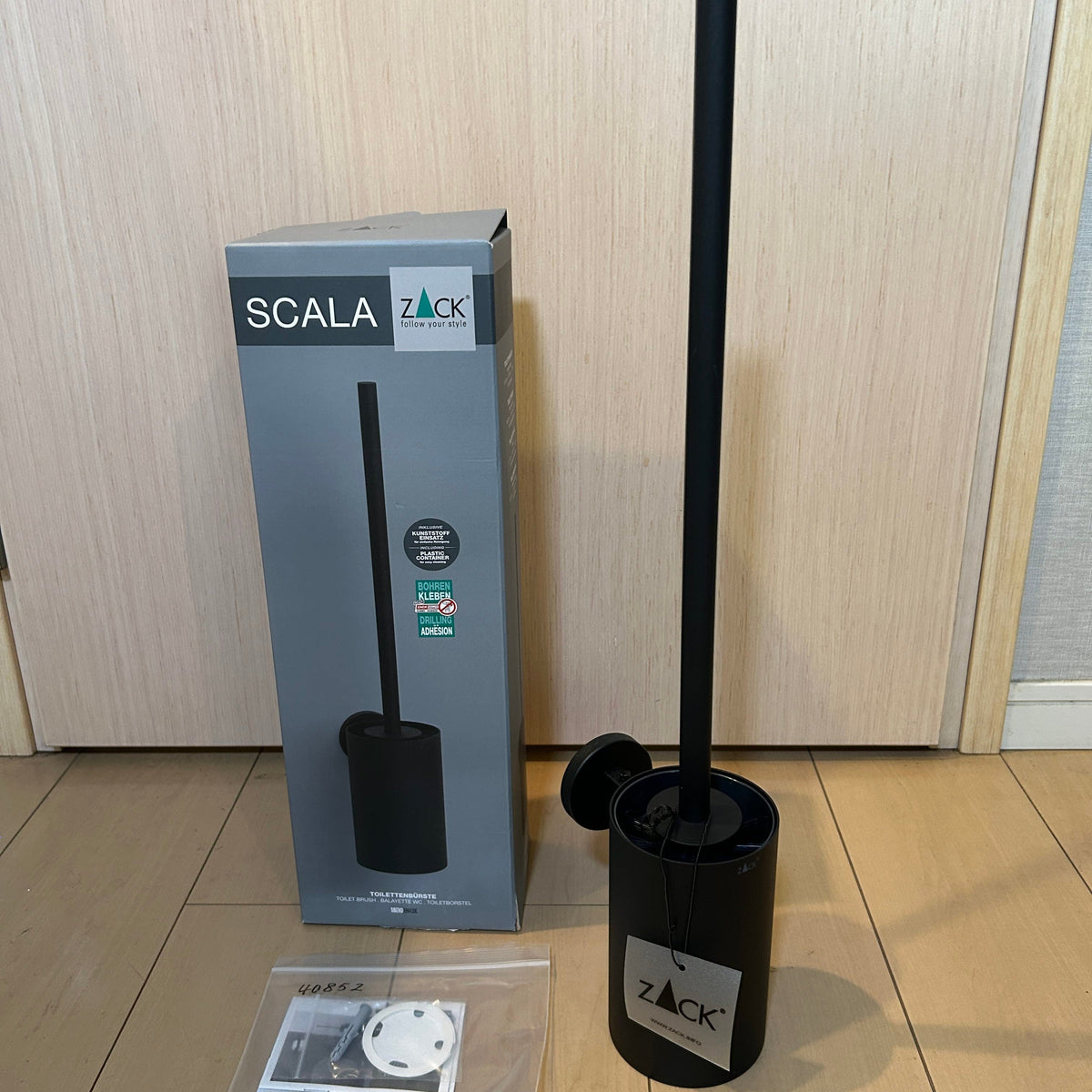
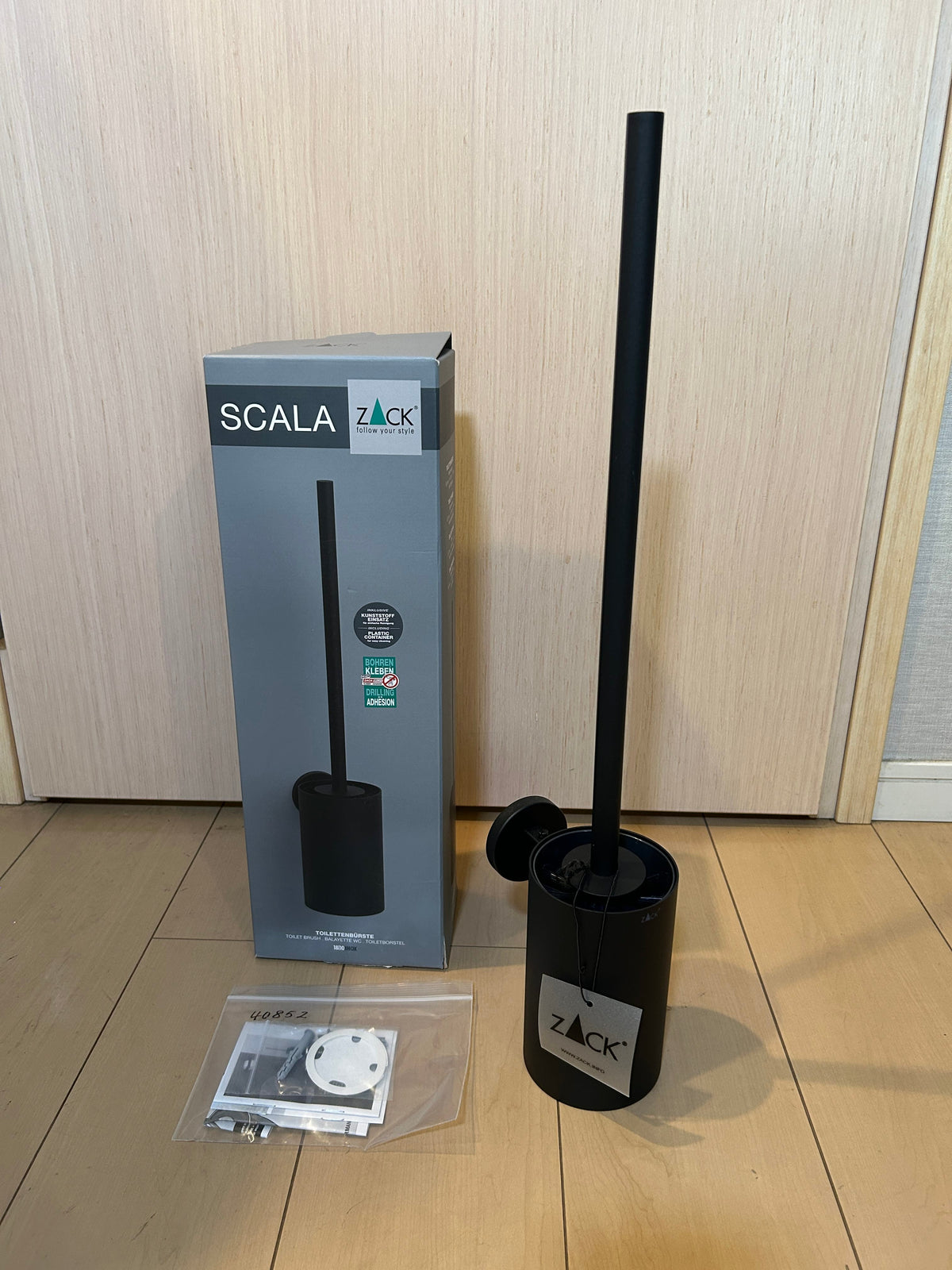
国内在庫:1個


I want to collect the whole set.
Toilet Accessories > Toilet Brushes > Matte White


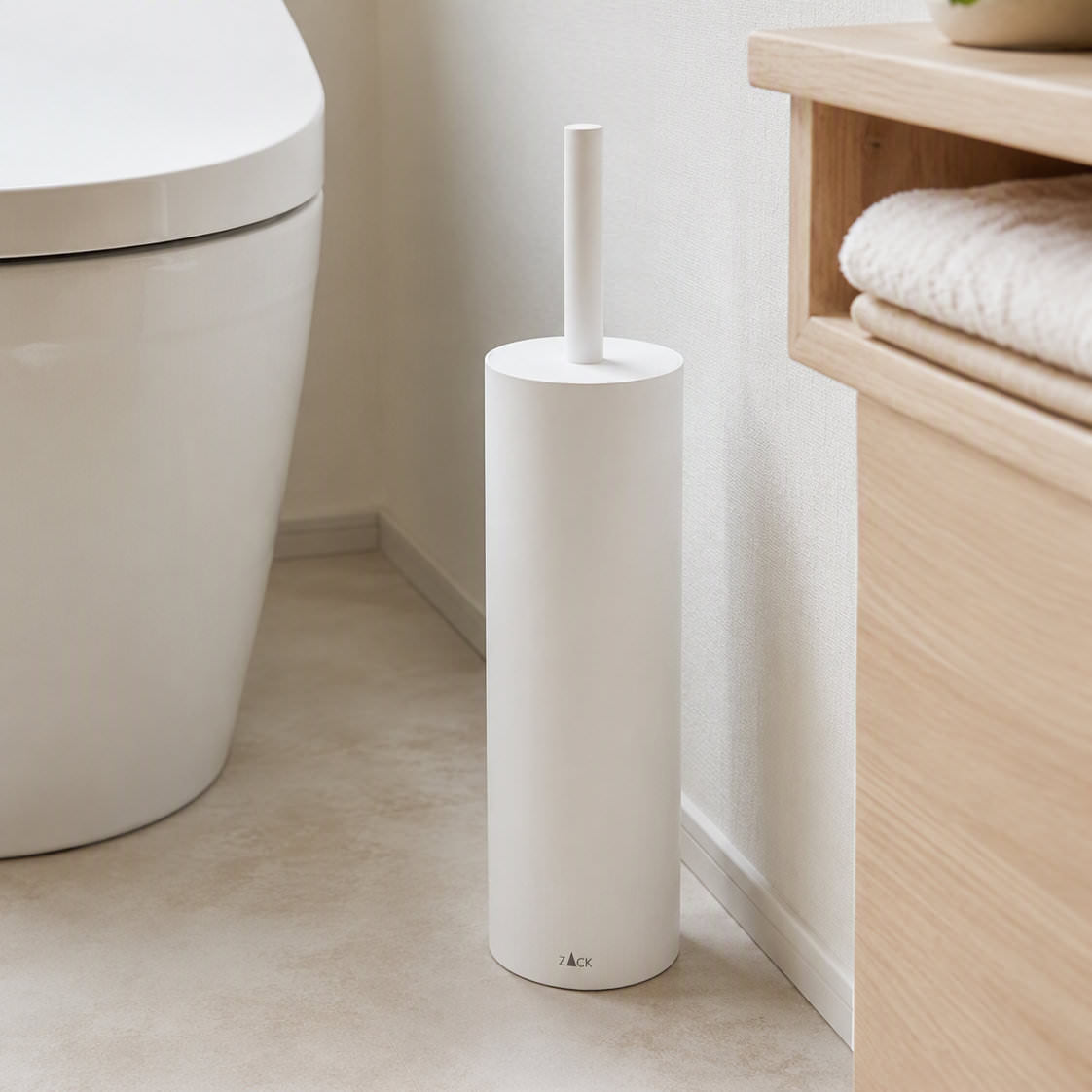


I want to use them as a set.
Toilet Accessories > Toilet Butler


PRODUCTS
ZACK products.
The ZACK product line is characterized by its consistent design over 40 years, with all products designed in-house by their team of designers, leveraging the unique properties of stainless steel.
Enjoy the pleasure of adding to your collection one item at a time. With each addition, the sense of unity grows, and you can truly feel the quality of your space elevate with each new piece.
CATALOGUE (PDF)

ZACK's Instagram.
We post new product introductions, German landscapes, and more.
Please follow us!
Instagram